Responsible Gambling

Gambling is entertainment with a cost, not a way to earn money or solve money problems. A win is not a reliable source of income, and chasing losses can increase the amount you lose.
Signs that gambling may be becoming a problem
Look for changes you can observe, rather than waiting for a particular label. Warning signs include:
- spending more time or money gambling than you planned;
- raising your stakes or depositing again to try to recover losses;
- using money set aside for bills, food or other essentials;
- borrowing, selling possessions or hiding transactions to fund gambling;
- lying to people close to you about how much you gamble or lose;
- feeling restless or irritable when you try to stop;
- repeatedly deciding to cut down, then returning to gambling;
- missing work, study, sleep or time with other people because of gambling.
One sign can be enough reason to act. You do not need to wait until debts build up or someone else notices.
What to do now
If you recognise these patterns, take a practical step before placing another bet:
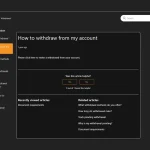
- Sign in to your gambling account and set a financial limit using its account controls. Remote operators must prompt new customers to set a financial limit before their first deposit and provide accessible account-level limit controls.
- Use the operator’s self-exclusion tool if you want to block your access to that casino. UKGC-licensed casinos must provide responsible gambling tools, including self-exclusion.
- If you cannot find the controls, contact the operator through its own website or app and ask for its responsible gambling team and self-exclusion process.
- Tell someone you trust what is happening. Ask them to stay with you while you disable access to gambling and review immediate bills or debts.
- If someone’s safety is at immediate risk, go to an emergency department or ask a person nearby to help you get urgent in-person assistance.
These are actions you can take now. They do not require you to prove that the problem is “serious enough”.
Where to turn
No verified gambling-help organisations or service contacts were available for this page, so no organisation names, addresses or phone numbers are listed. Do not rely on an unverified number or address. For help with an account, use the operator’s own support channel and request its responsible gambling or self-exclusion process. If you need support beyond the operator, ask a GP or another healthcare professional to help you find a suitable local service.
UKGC licensees must offer an internal complaints process and access to an approved Alternative Dispute Resolution service. These routes are for disputes with an operator; they are not a substitute for help with gambling-related harm.
Limits and protections in Britain
Operators must verify a customer’s age before allowing deposits. Gambling is only for people who meet the legal age threshold; do not use another person’s account or payment details.
Remote operators cannot accept credit-card payments for gambling, including credit-card funding routed through a money service business. They also cannot accept wallet payments where the wallet allows credit-card funds to be used for gambling. These restrictions do not prevent gambling losses from affecting money you need for essentials.
Online slot autoplay is banned in Britain, and online slot spins must last at least 2.5 seconds. For an online slots game, the total amount an individual may stake in a game cycle must not exceed £2 if they are under 25 or £5 if they are 25 or older. At least 2.5 seconds must elapse from the start of a game cycle before the next can begin.
These rules set boundaries; they do not make gambling safe for every person. If the signs above apply to you, the relevant criterion is not whether a game complies with the rules. It is whether you can stop and keep gambling from taking money, time or attention you need elsewhere.
The limit is practical.